

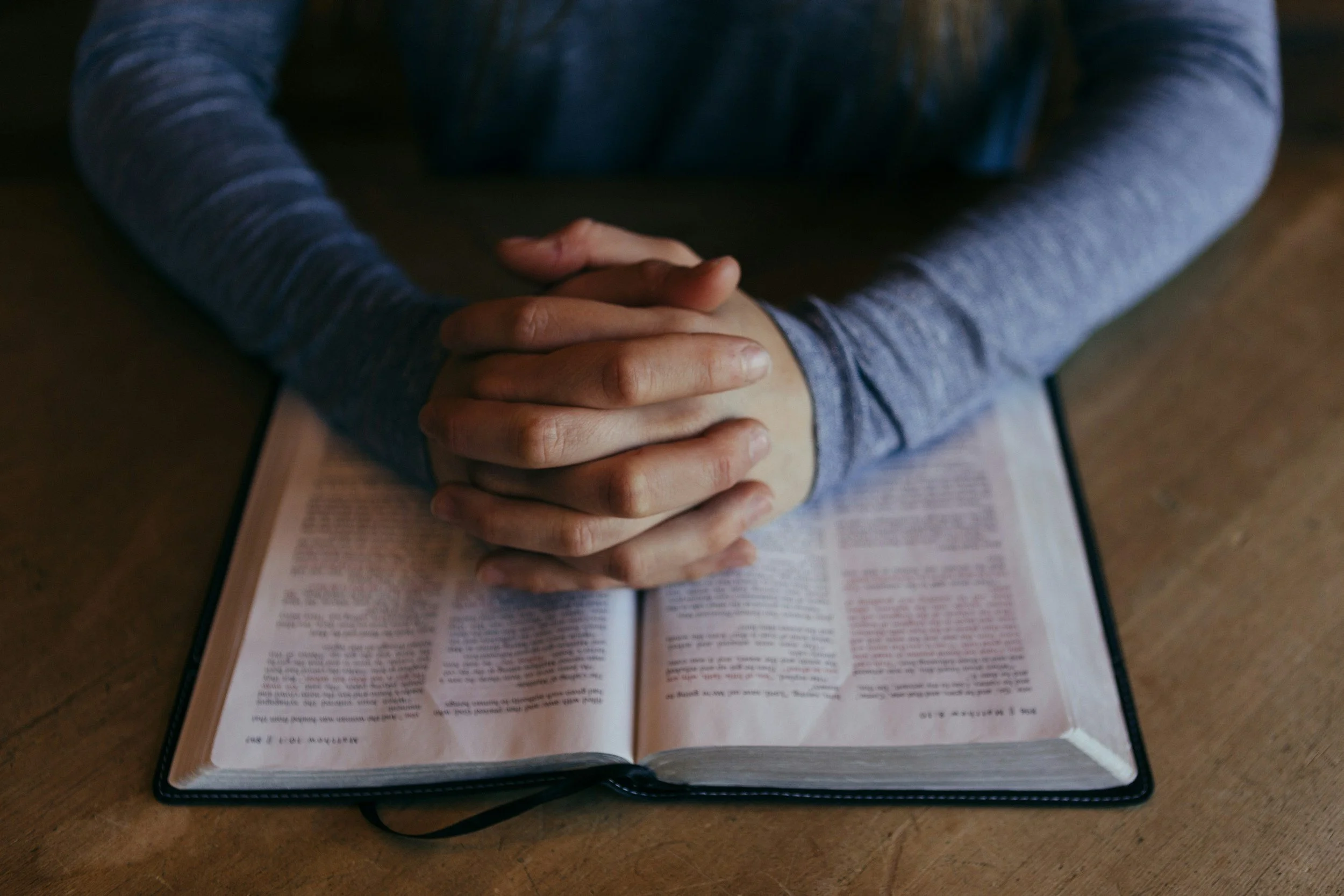
“Forgive Us Our Debts, as We Forgive Our Debtors”
We are people who have received extraordinary grace.
In Luke 7, Jesus tells the story of two people whose debts were forgiven. His point is simple: the person who understands how much they have been forgiven will respond with great love, but receiving grace should also change how we treat others. In Matthew 18, Jesus tells the story of a servant who was forgiven an enormous debt but then refused to show mercy to someone who owed him far less. We cannot celebrate the grace God has extended to us while refusing to extend grace to others. Forgiveness does not mean pretending that hurt never happened or that sin doesn't matter. It means recognizing that the mercy we desperately needed from God should shape the way we respond to the people around us.
We have been forgiven much. Therefore, we should become people who are willing to forgive.
“Lead Us Not Into Temptation”
Jesus knows our weaknesses better than we do. In Matthew 26, as Jesus prayed in Gethsemane, He told His disciples to watch and pray so that they would not enter into temptation. He reminded them, “The spirit indeed is willing, but the flesh is weak.” Sometimes our intentions are stronger than our ability. This is why we must rely on the Holy Spirit to guide and strengthen us, and not rely on ourselves.
James 1 makes it clear that God is not the source of our temptation. Temptation comes when our own desires pull us away from Him. So when we pray, “Lead us not into temptation,” we are admitting something important: We need God to lead us because we cannot safely lead ourselves.
We are asking Him to direct our steps, strengthen us in our weakness, and help us recognize the things that would pull our hearts away from Him.
“Deliver Us From Evil”
Jesus never promised His followers a life without difficulty, opposition, or temptation. Instead, He taught us to look to the Father as our refuge. In John 17, Jesus prayed for His disciples, asking the Father to keep them from the evil one. He knew they would be tempted and attacked, but wanted God to protect them as well.
2 Thessalonians 3:3 gives us this incredible promise: “The Lord is faithful. He will establish you and guard you against the evil one.” Our confidence isn't found in our own strength, It is found in the faithfulness of God.
When we ask God to deliver us from evil, we are acknowledging that we need His protection, His strength, and His presence every day.
So, How Should We Pray?
The Lord’s Prayer is more than a collection of words to memorize. Jesus is teaching us what a life of dependence upon the Father looks like.
When we pray:
We lay down our own will, we choose dependence over control, we choose grace over bitterness, and we choose to walk with Christ rather than trusting ourselves.
We ask God to make us people who live according to the reality of His Kingdom now—not simply people waiting for heaven someday. Jesus teaches us to pray for His name, His Kingdom, and His will. Then He teaches us to trust Him for our provision, our forgiveness, our direction, and our protection. Maybe that is one of the greatest lessons of the Lord’s Prayer:
Prayer isn't simply about asking God to change our circumstances.
Prayer is about surrendering ourselves to the Father and allowing Him to shape us into people who reflect His Kingdom here on earth.
Pastors Blog
This page will be updated weekly to give a brief overview of the message from the latest Sunday. I pray that these small glimpses into our Sunday morning services will motivate you to join us in Fellowship weekly and use to recap if you were unable to attend. -Pastor Jon Chavez-
Build the Kingdom
Last week, we looked at the first half of the Lord’s Prayer and saw that Jesus begins by directing our attention toward the Father. Before we ever get to our needs, our struggles, or our desires, Jesus teaches us to pray, “Our Father… hallowed be Your name. Your kingdom come. Your will be done.”
But in the second half of the prayer, something interesting happens. Jesus begins talking about our needs—but He makes sure that we focus on us, not just me.
Give us this day our daily bread, forgive us our debts, as we forgive our debtors, lead us not into temptation, deliver us from evil. Notice the language: us, our, we.
Jesus teaches us to pray with a community mindset, not simply an individual one. Prayer certainly involves bringing our personal needs before God, but biblical prayer reminds us that we belong to something bigger than ourselves. We are part of the family of God.
“Give Us This Day Our Daily Bread”
Throughout Scripture, God continually reminds His people that He is their provider. In Exodus 16, Israel depended on God to provide manna each day. They couldn't stockpile it and trust in what they had stored away. Every morning was another opportunity to trust that God would provide.
Deuteronomy 8 reminds us that God was teaching Israel something even deeper through their hunger: “Man does not live by bread alone.” Ultimately, our lives are sustained by God Himself.
Jesus brings this truth to its fulfillment in John 6 when He declares, “I am the bread of life.”
When we pray for our daily bread, we are doing more than asking God to meet physical needs. We are acknowledging our dependence upon Him.
Jesus teaches us daily trust, not an emergency fund of faith.
We aren't meant to depend on God only when everything else fails. We are invited to wake up every day recognizing that everything we have—and everything we truly need—is found in Him.